


The Medical Tourism Watch guide
Twelve cities. Different kinds of care. A closer look at the places shaping how patients travel across borders—and what their reputations can’t tell you.
Editorial selection • Reviewed November 2026 • City and metropolitan-area profiles
A dental appointment across the US–Mexico border and a cancer consultation in Singapore belong to the same broad industry. They involve very different journeys.
One may depend on a short drive and the ability to return for adjustments. The other may require medical records to be reviewed before departure, a longer stay and several specialists working together. Calling both “medical tourism” is useful. Treating them as interchangeable is not.
The world’s medical tourism capitals are places where healthcare, international transport and services for overseas patients meet. Their appeal can rest on a particular procedure, an established hospital network, language support or proximity to a neighbouring country.
This guide examines 12 such cities and metropolitan areas. It explains what makes each distinctive, where the evidence needs care and which questions a patient should take beyond the destination’s advertising.
What makes a medical tourism capital?
“Capital” is an editorial description here, not an official designation. We selected cities that illustrate established services for international patients, a recognisable treatment or hospital market, and different ways of organising cross-border care. The selection draws on public health and tourism agencies, hospital information and published reporting.
It is not a league table of quality, safety, value or patient numbers. The order is not a ranking. Providers mentioned below illustrate services; inclusion is not an endorsement. A city’s reputation cannot establish whether an individual clinician or facility is suitable for a particular patient.
Geography matters, too. Greater Kuala Lumpur includes surrounding parts of the Klang Valley. Delhi NCR extends beyond New Delhi into centres such as Gurugram and Noida. George Town is the city at the heart of a wider Penang healthcare market. Singapore is both a city and a country.
Medical tourism capitals at a glance
The focus column describes this guide’s editorial emphasis, not every service available. On a small screen, scroll the table sideways.
| City / market | Focus in this guide | A useful question |
|---|---|---|
| Istanbul Türkiye |
Treatment-focused clinics and large hospitals | Who performs each part of the procedure? |
| Bangkok Thailand |
International hospital services | What does the estimate exclude? |
| Seoul South Korea |
Dermatology, aesthetics and specialist care | Who handles consent and interpretation? |
| Singapore Singapore |
Complex and specialist hospital care | What is the full episode-of-care budget? |
| Greater Kuala Lumpur Malaysia |
Coordinated hospital-based healthcare travel | Which hospital campus will treat you? |
| George Town / Penang Malaysia |
Regional hospital care | Where will follow-up take place? |
| Chennai India |
Specialist hospital treatment | Has a clinician reviewed your records? |
| Delhi NCR India |
Multi-specialty hospital networks | Is the hospital in Delhi, Gurugram or Noida? |
| Dubai United Arab Emirates |
Outpatient specialties and hospital care | Does insurance cover planned treatment? |
| Tijuana Mexico |
Care close to the US border | How will repeat visits work? |
| Budapest Hungary |
Dental travel | How many visits does the full plan require? |
| São Paulo Brazil |
Specialist hospital services | Who coordinates care after you leave? |
Three ways a city attracts patients
Proximity-led travel starts with access. Tijuana shows why a border can be as significant as an international airport: the ability to return may shape the whole treatment plan.
Specialty-led travel starts with a procedure. A patient searches for dental work, skin treatment or hair restoration, then compares destinations and providers. Budapest, Seoul and Istanbul illustrate different versions of this market.
Hospital-led travel starts with a medical team or a service that the patient wants to access. Bangkok, Singapore, Chennai and Delhi NCR offer examples of hospitals organising an international patient’s journey around specialist assessment and treatment.
These models overlap. A city can offer all three. The distinction is useful because it changes what should be compared: an individual practitioner, a complete treatment plan, or a hospital’s ability to coordinate care over time.
Türkiye
Istanbul
Treatment-focused clinics and large hospitals
Istanbul brings two markets into the same city: treatment-focused clinics and large hospital groups. Its provincial tourism directorate presents healthcare infrastructure and services for overseas visitors as part of the city’s appeal.
Hair restoration is one visible example. Acıbadem’s Istanbul hair-transplant centre markets directly to international patients. Its existence illustrates a specialised service; it does not tell a patient how every clinic in the city operates.
That distinction matters when the first contact is a coordinator selling a package. The patient needs the name of the treating clinician, the exact facility and a written explanation of who performs each stage. A hotel booking and airport transfer can make the journey easier, but neither answers those clinical questions.
Look beyond the package: Ask for the treatment plan, responsible clinician and arrangements for problems after returning home before paying a deposit.
Thailand
Bangkok
International hospital services
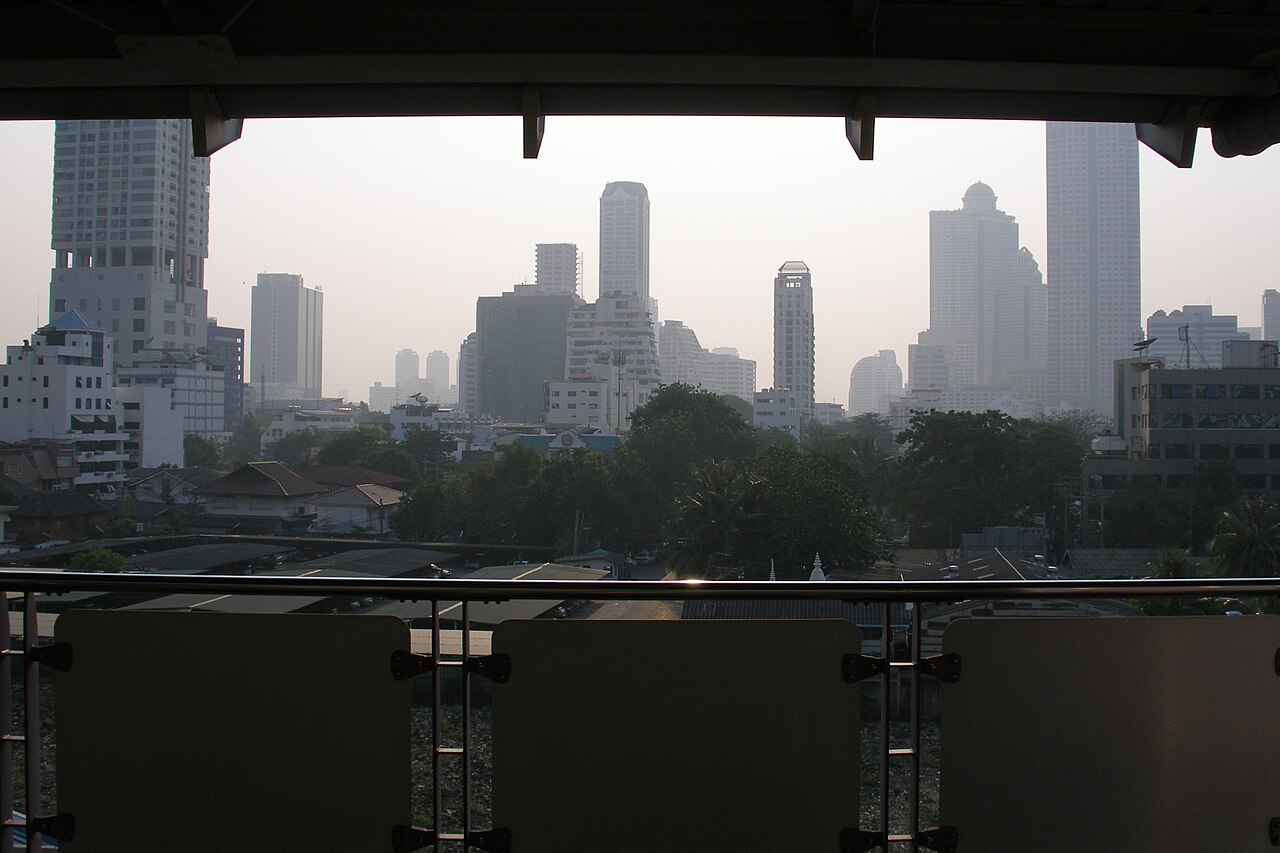
Bangkok illustrates the international hospital model at scale. Hospitals can organise medical appointments alongside language support and the practical details of a stay, making the institution the centre of the trip.
Bumrungrad’s company profile reports more than 604,000 international medical episodes in 2025, involving patients from over 180 countries. The wording matters: these are episodes, not a count of individual medical tourists. The hospital also serves expatriates.
The figure shows the reach of one provider, not Bangkok’s total market or a measure of treatment quality. For a reader comparing hospitals, a more useful next step is to send the same medical records to each and request estimates with the same scope. A consultation, a diagnostic work-up and a completed course of treatment are very different purchases.
Compare like with like: Check whether the estimate includes specialist fees, investigations, medicines, extra nights and follow-up.

South Korea
Seoul
Dermatology, aesthetics and specialist care
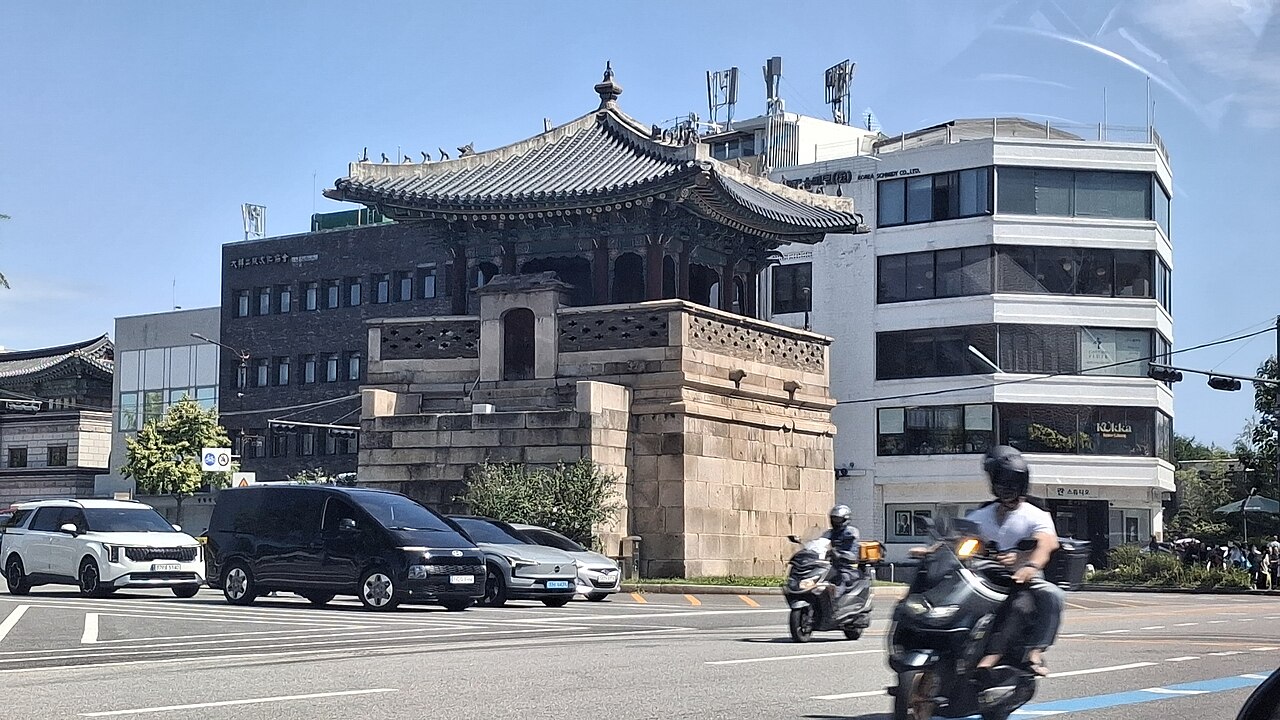
Seoul’s international patient market combines dermatology and aesthetic services with a much broader hospital system. That breadth can disappear behind social-media images of a single treatment.
The Seoul Metropolitan Government reported 999,642 international patients in 2024, roughly 85% of South Korea’s national total that year. This is a dated city-level measure, not a forecast or evidence that every visitor came for surgery.
Patients should separate the appeal of the city from the work required to understand a proposed procedure. An English-language booking page does not establish who will interpret a consultation, explain alternatives or discuss an unexpected result. Those arrangements belong in the treatment plan, not in a last-minute conversation at reception.
Check communication: Confirm the language of consultations, consent documents and follow-up, and who provides interpretation when the clinician is speaking.

Singapore
Singapore
Complex and specialist hospital care
Singapore represents a different proposition from a short, procedure-focused trip: access to specialist teams and complex hospital care. A 2024 report hosted by SingHealth described a shift in foreign-patient demand towards critical and complex treatment, even as regional competition affected the broader market.
That does not make Singapore the right choice for every diagnosis. It changes the basis of comparison. For a patient seeking a second opinion or a coordinated treatment plan, the relevant questions concern the team, the investigations needed and what happens between appointments.
Singapore is also a city-state. Its national and city geography overlap, unlike the much larger countries elsewhere in this guide. Comparisons that place its national figures beside an individual hospital’s activity can therefore give a misleading impression of scale.
Budget for the whole stay: Request an itemised medical estimate and allow separately for accommodation, accompanying family and changes to the treatment schedule.
Malaysia
Greater Kuala Lumpur
Coordinated hospital-based healthcare travel
The Kuala Lumpur healthcare market extends beyond the city boundary into the Klang Valley. A hospital advertised to someone flying into Kuala Lumpur may be in a neighbouring municipality rather than the city centre.
The Malaysia Healthcare Travel Council’s hospital network includes facilities in Kuala Lumpur and Selangor, among them Institut Jantung Negara, Prince Court, Sunway and Subang Jaya. The network illustrates an organised national approach to healthcare travel rather than a collection of unrelated destination promotions.
For patients, that coordination is useful only when it leads to a clear hospital-level plan. The exact campus affects airport transfers, nearby accommodation and the feasibility of returning for appointments. A familiar group name is not enough: the doctor, department and location should all appear in the paperwork.
Pin down the location: Ask for the hospital’s full address and arrange accommodation around the treatment schedule rather than the sightseeing itinerary.
Malaysia
George Town / Penang
Regional hospital care
George Town gives Penang a recognisable city identity, but the healthcare market covers a wider area. Treating every Penang hospital as a George Town facility blurs a distinction that matters when arranging appointments and transport.
Penang’s official tourism information describes a medical-travel sector supported by Penang Centre of Medical Tourism, established in 2015. It highlights services including cardiology, cancer care, orthopaedics and fertility treatment.
This places Penang in the hospital-led part of the market, with more than a single treatment shaping its appeal. A patient considering a course of care should establish how the hospital will share results and discharge information with clinicians at home. The end of the hotel stay is not necessarily the end of the clinical relationship.
Plan the handover: Agree how reports, prescriptions and follow-up instructions will be delivered, and who can answer questions after departure.
India
Chennai
Specialist hospital treatment
Chennai’s place in this guide rests on specialist hospital care. Apollo’s Greams Road hospital, established in 1983, is one concrete example of the city’s long-established private hospital infrastructure. The provider lists more than 60 departments.
A large range of departments can matter when a case requires several opinions. It is still necessary to establish which team will lead the patient’s care and whether the hospital has reviewed enough information to offer a meaningful plan.
For someone travelling a long distance, the most useful work may happen before a flight is booked: sending scans and reports, clarifying the purpose of the visit and finding out which decisions will require an in-person assessment. An early estimate should be read alongside its assumptions.
Start with the records: Ask whether the proposed plan comes from the treating clinical team, what remains uncertain and what could change after examination.
India
Delhi NCR
Multi-specialty hospital networks
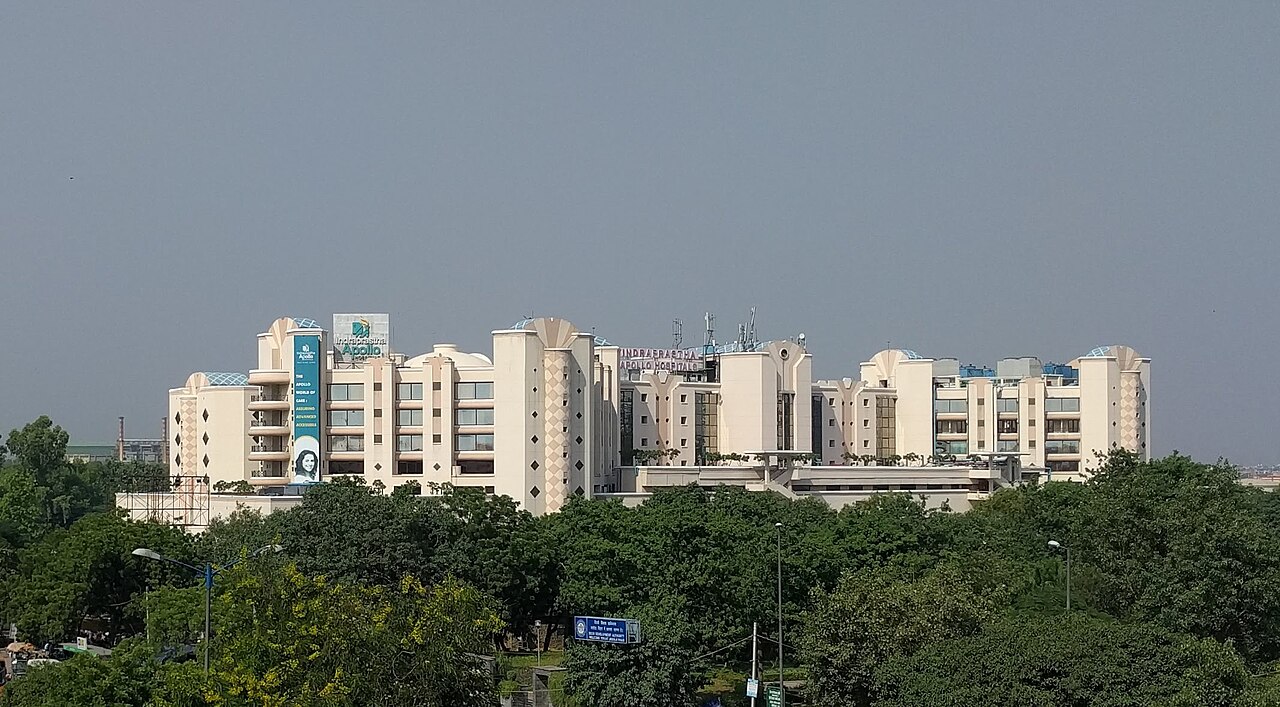
Delhi NCR is a metropolitan healthcare market, not a single city. New Delhi, Gurugram and Noida should not be treated as interchangeable addresses on a booking form.
Medanta’s international patient service, for example, lists Gurugram and Noida locations and offers help with interpretation, visa documentation and other travel arrangements. Its clinical services span fields including cardiac care, cancer and neurosciences.
The example shows why hospital networks can attract patients across a broad region. It also explains the need to confirm the actual site of care. A consultation at one location does not automatically mean that a procedure, admission or follow-up will happen there.
The practical questions are simple but worth resolving early: which hospital, which doctor, which appointments and how many journeys between them?
Use exact addresses: Match the estimate, appointment confirmation and accommodation plan to the same hospital campus, and clarify any transfers between facilities.

United Arab Emirates
Dubai
Outpatient specialties and hospital care
Dubai’s healthcare-travel offer sits alongside its wider international travel economy. The Dubai Health Authority’s 2024 investment guide identifies dermatology, dentistry and gynaecology among the specialties relevant to its health-tourism market.
Its statistics require careful reading. The authority’s health-tourism reporting guidance includes care for international visitors such as accidental or emergency treatment. That is broader than a count of people who travelled specifically for a planned procedure.
For an individual patient, the distinction is practical as well as statistical. Insurance covering an unexpected illness during a holiday should not be assumed to cover a treatment booked in advance. The hospital and insurer need to confirm the arrangement for the actual procedure.
Get the payment terms in writing: Establish what the insurer has authorised, what requires advance payment and who pays if the plan changes.
Mexico
Tijuana
Care close to the US border
Tijuana’s distinguishing feature is geography. Its position beside San Diego makes the US–Mexico border central to the patient journey, rather than an incidental part of it.
Baja California’s tourism promotion highlights dental, cosmetic and other specialist services in the region. Those promotional claims describe a market; they do not verify a particular clinic’s results or establish a standard price saving.
Nearby care can make repeat appointments more practical than a long-haul journey. Yet “close to home” still involves two healthcare systems. Records, payment responsibilities and the response to a complication need to be clear on both sides of the border.
A quote that looks attractive for one visit may be less useful if the complete plan requires several returns. The relevant comparison is the full course of care.
Count every visit: Ask for a written appointment sequence, including reviews and adjustments, and decide how you would return if an unscheduled assessment became necessary.
Hungary
Budapest
Dental travel
Budapest illustrates a treatment-led market built around dental travel. Clinics openly address patients arriving from abroad, while the city also has a substantial dental education base.
Budapest Dental’s information for new patients, for example, discusses planning care around visits lasting days or weeks. Separately, Semmelweis University’s Faculty of Dentistry describes training in Hungarian, English and German. Neither fact is a substitute for checking the practitioner responsible for an individual case.
The central comparison is between complete treatment plans. The number of appointments, proposed materials, alternatives and arrangements for later adjustments should be clear before comparing prices. A headline price for one stage can leave a patient with an incomplete picture of the eventual bill.
Ask for the full sequence: Have the dentist explain the stages, anticipated timing and return visits, and give you a copy of the plan and relevant records.



Brazil
São Paulo
Specialist hospital services
São Paulo belongs in a global guide because medical travel is not confined to the most heavily marketed Asian or border destinations. It also includes patients seeking an established specialist hospital in a major South American city.
Einstein’s international support centre describes assistance before, during and after a patient’s arrival in Brazil. That is an example of a hospital organising care for people coming from another country, rather than simply offering an overseas booking page.
For a patient considering a long-distance journey, the value of that support depends on its detail. Who reviews the records? Who explains the estimate? What information reaches the doctor at home? The answers should connect the administrative service to the people responsible for clinical decisions.
Identify the continuing contact: Establish who handles medical questions after discharge and how the hospital communicates with the clinician taking over your care.
Other healthcare hubs worth knowing
The map extends well beyond these 12 profiles. A shorter list makes the differences easier to explain, but omission should not be read as a judgement on a city’s hospitals.
- Thailand: Phuket and Pattaya have hospital services specifically organised for international patients. A resort setting still requires a treatment-led travel schedule.
- South Korea: Busan’s city government reports an international patient market of its own. South Korea’s medical travel story is not limited to Seoul.
- Malaysia: The MHTC hospital directory extends to Melaka, Johor Bahru, Ipoh and Kota Kinabalu, giving patients more locations to consider beyond Greater Kuala Lumpur and Penang.
- India: Apollo’s international patient network includes Mumbai, Bengaluru and Hyderabad. As with Delhi NCR, the exact hospital location matters: a metropolitan label can cover a wide area.
- United Arab Emirates: Cleveland Clinic Abu Dhabi sets out a dedicated international patient journey, illustrating another hospital-led destination within the country.
- Mexico: Los Algodones has a distinct dental-travel market. One local clinic’s international-facing service describes help with records, estimates and travel timing. It is an example of the service model, not a recommendation.
- Brazil: In Porto Alegre, Santa Casa’s international service provides another example of a hospital group addressing patients from outside Brazil.
Singapore is the exception to this “other cities” approach: it is a city-state, so the useful comparison is between providers and services within it.
How to compare destinations before booking
A city shortlist is a starting point. The next comparison should be between named providers working from the same information about the patient.
The CDC’s medical tourism guidance advises travellers to discuss plans with a healthcare professional before departure, examine provider credentials and plan for follow-up. It also notes that accreditation does not guarantee a good outcome. Surgery and air travel can add medical risks that need individual advice.
Use these questions to turn a destination search into a more useful conversation:
- Who is making the clinical decisions? Get the treating clinician’s name, qualifications and role. Distinguish medical advice from help with booking or transport.
- What is the proposed treatment, and why? Ask about alternatives, expected benefits, limitations and the information still needed before a decision can be made.
- What is included in the written price? Compare consultation, investigation, facility and professional fees. Clarify exclusions and the terms for a changed or cancelled plan.
- What happens if recovery takes longer? Establish the clinical contact, access to further assessment and responsibility for additional costs. Let medical advice determine the return date.
- Who takes over at home? Arrange access to records and a follow-up plan before departure, including how clinicians in the two countries can communicate.
These questions may narrow the choice more effectively than a “best destination” label. A clear answer about one hospital is more useful than an impressive claim about an entire country.
Common questions about medical tourism capitals
Which city is the medical tourism capital of the world?
There is no single, universally agreed title. Different cities serve different needs, and available statistics do not provide a consistent global city ranking. Bangkok, Istanbul, Seoul and the other destinations in this guide illustrate distinct markets rather than a first-to-twelfth order.
Which destination is the cheapest?
A useful answer requires a specific treatment plan. Compare the complete written estimate, travel, accommodation, repeat visits and possible extra care. This guide does not rank cities by advertised discounts because those figures rarely describe the same package of services.
Does hospital accreditation mean treatment is safe?
Accreditation can provide information about an organisation’s assessed standards. It cannot guarantee an individual outcome. The treating team, the proposed procedure, the patient’s circumstances and follow-up arrangements still need attention.
Is every foreign patient a medical tourist?
No. Depending on the dataset, foreign-patient figures may include residents of the country, visitors receiving unplanned care, or repeat treatment episodes. Check the definition and reporting period before comparing totals.
Can a medical trip include a holiday?
The treatment and recovery plan should determine what is practical. Ask the treating clinician about travel timing and activities before making non-refundable arrangements. A destination’s attractions do not establish whether a particular itinerary is suitable.
The decision after the destination
A search may begin with “Istanbul,” “Bangkok” or “Budapest.” Before it becomes a booking, it needs to become more specific: a named clinician, an exact facility, a written plan and a route to follow-up.
That is the point where a city’s reputation stops doing the work. The provider has to answer for the care.
About this guide: An editorial overview of cross-border healthcare markets, reviewed in November 2026. Official agencies describe their own markets; provider sources are used to document services, not to verify comparative quality. This is not an individual treatment recommendation. Destination photographs are illustrative and do not demonstrate clinical standards.
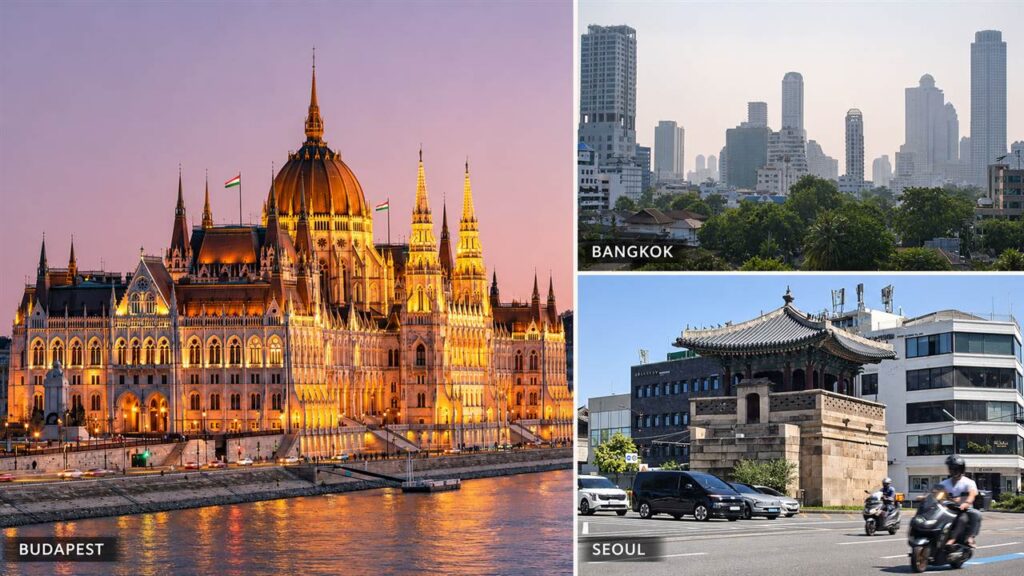
Featured image: Editorial collage of Budapest, Bangkok and Seoul, assembled with AI assistance from credited photographs; cropped and adapted. Budapest: Jorge Franganillo, CC BY 2.0, source crop by Юрий Д.К. Bangkok: © Vyacheslav Argenberg, CC BY 4.0. Seoul: Endearing9721, CC0 1.0. Illustrative destination montage.