


Regional patients are seeking specialist treatment in Tanzania. Affordable accommodation and continuity of care will help determine whether that demand lasts.
Tanzania’s medical tourism ambitions depend on a practical question: where does a patient go after leaving the hospital?
Specialist services are attracting patients from neighbouring countries, but suitable recovery accommodation remains a weakness, according to reporting by The Citizen. Its November 10 article describes a healthcare market in which hospitals’ ability to deliver treatment is developing faster than some of the services families need around it.
A regional market for specialist care
The report draws on research by Ladislaus Batinoluho of the Open University of Tanzania, published in the East African Journal of Management and Business Studies. The qualitative study involved 35 selected participants: 20 international medical tourists, 10 healthcare providers and five hospital administrators.
The paper identifies demand for cardiology, cancer care and kidney services, with patients arriving from countries including Zambia, Burundi and the Democratic Republic of Congo. It cites a rise from 5,705 international patients in 2021 to 12,180 in 2025.
Those figures need careful handling. The paper variously describes the latter total as “by early 2025” and as a figure for the year. Its national totals draw on secondary material; the interviews are not a nationwide patient census. The findings offer insight into participants’ experiences, rather than a clinical comparison of hospitals or a definitive measure of the market.
For families, the attraction is easier to understand than a market-share estimate. Access to a specialist closer to home can change which treatment options are feasible. The commercial opportunity lies in making the entire journey workable, including travel, payment and the weeks after discharge.


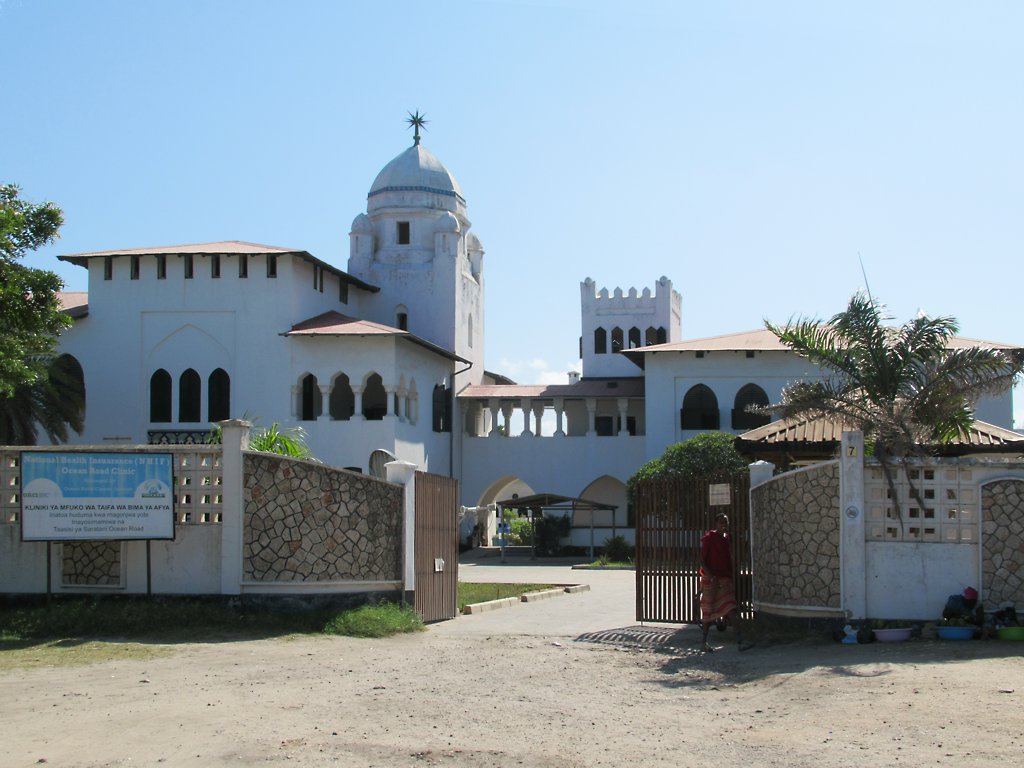

The room after discharge matters
Benjamin Mkapa Hospital surgeon Dr Mugisha Nkoronko told The Citizen that affordable accommodation near major hospitals, advance treatment estimates and remote follow-up should be priorities. He also called for stronger international accreditation and better communication with foreign patients.
These are concrete service requirements. A recovering patient may need a room with accessible facilities, space for a relative and dependable transport to appointments. An ordinary holiday hotel may offer none of those things, even when its nightly rate looks attractive.
For a family staying several weeks, accommodation can also change the apparent saving on a procedure. Hospitals and travel coordinators should show patients the likely total cost of the stay, including extra consultations and transport, before they commit to travel.
Recovery should set the itinerary
The possibility of combining treatment with Tanzania’s tourism attractions needs clinical judgment. A patient who is well enough to leave a ward is not automatically ready for long journeys or a busy sightseeing programme.
A practical discharge plan should identify who answers questions after the patient returns home and how the local doctor receives test results and treatment notes. If another appointment is needed, the patient should know whether it can happen remotely or requires another trip.
Growth should also be judged at home
There is a public-service test alongside the tourism opportunity. More international patients can bring income, but arrival numbers alone won’t show whether local people are getting better access to care.
Publishing waiting times, treatment outcomes and access measures for domestic patients alongside international activity would make that question easier to assess. For hospital managers, the task is to build a service that works from the first enquiry through recovery, while showing how investment benefits the people who depend on the same facilities at home.