

A draft tourism law before Vietnam’s National Assembly would give medical travelers, their families and long-stay healthcare visitors their own visa track. Remote workers would get a pilot scheme in the same package. Lawmakers want more detail before they sign off.
Key takeaways
- Vietnam’s government has proposed pilot visa and temporary-residence rules for foreigners coming for medical checkups, treatment, rehabilitation and long-term healthcare, plus the relatives traveling with them.
- The same draft adds a controlled pilot for foreigners working remotely from Vietnam, and wider visa exemptions for high-spending and long-stay visitors.
- A parliamentary committee has asked the government to explain what is genuinely new about the “special visa policy” and how far it reaches.
- If passed, the resolution would run for 10 years, through the end of 2036. No visa lengths, fees or eligibility rules have been published yet.
A patient flying to Ho Chi Minh City for a hip replacement today arrives on the same visa as a backpacker. So does her husband, who’ll sit by her bed for two weeks. So does the software developer in the next seat, who plans to spend three months writing code from a café in Da Nang.
Vietnam wants to change that.
On November 7, Minister of Culture, Sports and Tourism Lam Thi Phuong Thanh presented a draft resolution to the National Assembly on behalf of the prime minister. It sets out special mechanisms to grow the country’s tourism industry, and it includes the first proposal for a visa track built around health care. Viet Nam News reported that foreigners traveling for medical examinations, treatment, rehabilitation, holidays and long-term healthcare, along with accompanying family, would be considered for more favorable visa and temporary-residence arrangements under a pilot.
Those arrangements would be tailored to the purpose and length of each stay. That’s the key phrase. A dental implant and a course of cancer treatment don’t take the same amount of time, and the visa wouldn’t either.


Not just for patients
The medical track is the headline for this industry. It isn’t the only new group in the draft.
The resolution also proposes a controlled pilot for foreigners who work remotely while living in Vietnam. That’s a first. Vietnam has no dedicated digital nomad visa, so remote workers have relied on tourist e-visas, a setup that leaves their legal status unclear.
The list doesn’t stop there. According to VietNamNet, the government wants to expand bilateral visa exemptions for priority markets and set market-specific rules favoring high-spending visitors, long-stay tourists, repeat travelers and conference attendees. Foreign experts and artists working on tourism projects would get easier work permits and residence.
The overlap between these groups is bigger than it looks. A woman going through several IVF cycles may stay for months and keep her job by working online. A retiree recovering from heart surgery may decide to spend the winter. The draft even lists retirement complexes and tourism combined with healthcare among the business models it wants to encourage. Vietnam seems to be designing for long stays, and health care is one of several reasons someone might stay long.
The visa rules patients use now
Vietnam’s current system is already fairly open. Since August 2023, citizens of every country and territory can apply online for an e-visa that allows stays of up to 90 days, with single or multiple entry. Citizens of 12 countries, including the U.K., France, Germany, Japan and South Korea, can enter visa-free for up to 45 days under an exemption that runs to March 2028.
Those changes helped bring in a record 21.5 million international visitors in 2025, beating the previous high of 18 million set in 2019.
For a short procedure, 90 days is plenty. The problem is the long case. Chemotherapy, complex orthopedic rehabilitation and transplant follow-up can run past three months. A family member who flies in to help may need just as long. Today those patients have to leave and come back, or find another visa route. A health-specific track tied to the length of treatment is meant to fix that.
A market that’s hard to measure
How many people would use such a visa? Nobody can say precisely.
Health officials cite an incomplete estimate of about 300,000 foreign patients a year. Health-sector figures put medical tourism turnover at about $850 million in 2025. Both numbers come with a large caveat. Vietnam’s statistics don’t separate foreigners who live in Vietnam and see a doctor routinely from visitors who fly in specifically for treatment.
Hospital-level data is more grounded. Hanoi’s Bach Mai Hospital reported nearly 3,900 international patients over three years, led by 804 visits from China and 659 from Laos. That points to where much of the demand sits: neighbors across a land border, not long-haul travelers.
Laos and Cambodia already get 30 days visa-free. For them, a medical track would matter mainly when treatment runs longer than a month.

Lawmakers want specifics
The proposal isn’t law yet, and it met questions on day one.
Nguyen Dac Vinh, who chairs the National Assembly’s Committee on Culture and Social Affairs, said his committee backed passing the resolution quickly. But it asked the government to clarify what makes the “special visa policy” new and distinctive, and exactly what it covers. The committee also argued that the resolution shouldn’t name specific visa rules for groups like experts, technical workers, artists and performers. It said the government should decide those arrangements itself, weighing national security and public order.
That leaves a lot unwritten. The draft published so far gives no visa length, no fee, no list of qualifying treatments and no rule on which hospitals can sponsor a patient. Those details will decide whether the medical track is a real tool or a line in a resolution.
What the health sector has asked for
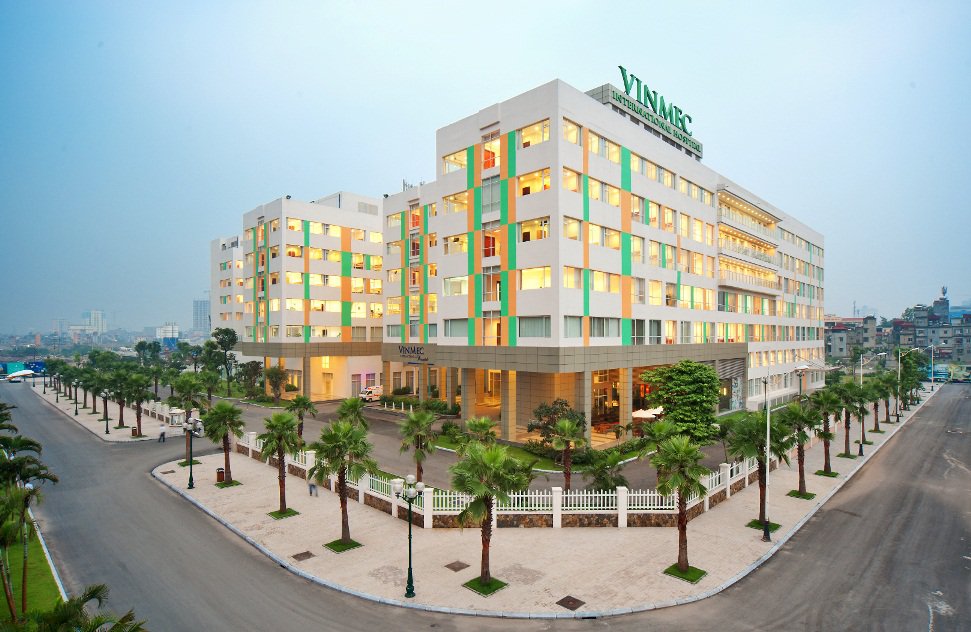
Ho Chi Minh City’s hospitals have been clear about what they want. In September, city health director Tang Chi Thuong called for visa help for foreign patients and the people traveling with them. His proposal would let qualified hospitals certify a patient’s treatment schedule to support a visa application or extension.
That model has a safety upside. It links the visa to a named hospital and a documented plan of care, rather than to a travel agent’s booking.
It also carries a risk worth watching. If any clinic can certify a schedule, the visa becomes a sales tool. A clinic could stretch a “treatment plan” to help a customer stay longer, or market visa sponsorship more loudly than its clinical record. The test will be which facilities qualify. Vietnam has set a goal of at least 15 hospitals with JCI or equivalent international accreditation by 2030. Limiting sponsorship to accredited hospitals, or to those approved by the Ministry of Health, would keep the visa tied to quality.
Thuong made a broader point too. He argued that the city shouldn’t compete on low prices alone, but on verified quality, transparent pricing announced in advance, and support before, during and after treatment. He proposed a 24-hour multilingual support center that would handle everything from appointments and interpreters to follow-up care.
Follow-up is where long-stay visas could do real good. A patient who can legally stay six weeks after surgery is one who doesn’t board a long flight with fresh stitches because her visa ran out.
The regional benchmark
Vietnam’s neighbors got here first.
Thailand introduced a one-year, multiple-entry medical treatment visa for patients who need ongoing care. “The Medical Treatment Visa targets visitors and patients who need continuous treatment,” Thai government spokeswoman Ratchada Thanadirek said when the plan was announced. Thailand’s five-year Destination Thailand Visa now lists both medical treatment and remote work as qualifying activities, the same pairing Vietnam’s draft makes.
Malaysia takes a different route. Its healthcare travel council lets citizens of many countries enter visa-free for healthcare stays of up to 90 days, and offers a medical visa backed by a letter from a member hospital for everyone else.
Neither model is perfect. Both show that the details, especially who can sponsor a visa and how long it lasts, matter more than the announcement.