


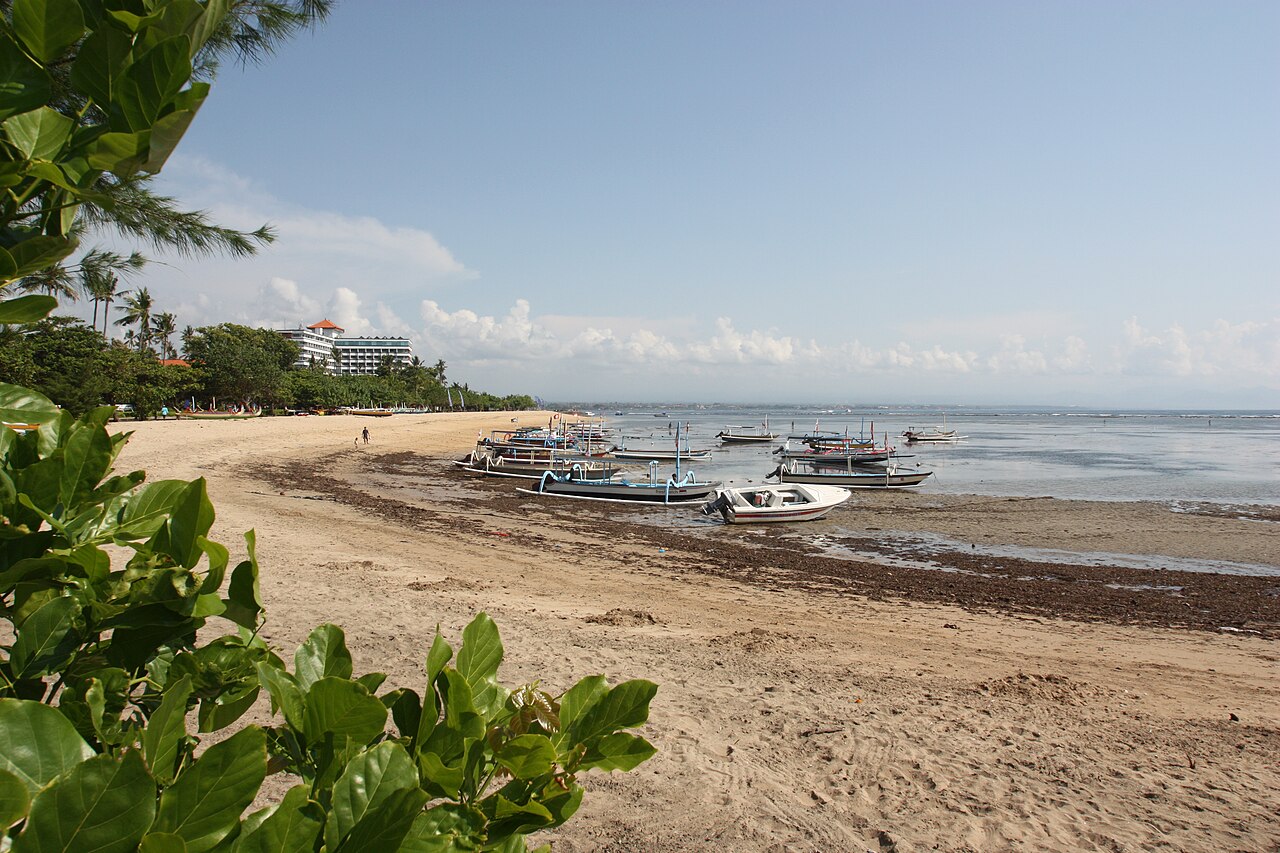
Indonesia’s health tourism project is reporting activity on the ground. Its visit count still leaves open how many people travelled specifically for care.
Bali’s Sanur Special Economic Zone has reported 36,798 patient visits through the third quarter of 2026, including 14,752 by Indonesian citizens and 22,046 classified as international visits.
The figures, published in a November 10 announcement from Indonesia’s special economic zone authority, provide an early measure of demand. They count visits, not necessarily distinct patients or trips to Bali for treatment.
What the visit count can tell us
A patient returning for several appointments can generate several visits. Foreign citizenship also doesn’t establish that a person crossed a border to receive care: a foreign resident or a holidaymaker who falls ill is different from someone choosing Bali for a planned procedure.
These distinctions matter when judging whether a destination is attracting new medical travellers. A useful next release would separate unique patients from repeat visits, identify where people normally live and state whether treatment was the main purpose of their journey.
The current announcement does not provide that breakdown. It therefore cannot, by itself, show how many international treatment trips the zone has won.
Economic gains cover a different period
The authority reports Rp1.13 trillion in economic impact for the first half of 2026, comprising Rp146.55 billion in retained foreign exchange and Rp982.65 billion in new inflows. That period differs from the patient count, which runs through September.
It also reports cumulative investment of Rp5.76 trillion and 5,911 workers across 15 businesses through the third quarter. These figures describe the wider zone, rather than one hospital.
The two economic measures reflect different policy aims: retaining spending that would otherwise leave Indonesia and bringing in spending from abroad. Neither is interchangeable with hospital profit.
Nor should the reported economic impact be divided by the visit count to suggest an average treatment bill. Apart from the different periods, economic impact and clinical charges are different measures. A transparent explanation of how spending is estimated would help readers assess the claimed benefit.

Bali International Hospital says it opened in April 2025 within the Sanur health zone. It describes a dual ambition: giving Indonesians an alternative to treatment abroad and serving overseas patients. Its advertised specialties include cardiology, oncology, neurology and orthopaedics.
The hospital also promotes multilingual assistance and links with hospitality providers. Those services address real practical questions for a person far from home, but they don’t answer the clinical ones.
For an Indonesian family considering care in Bali instead of overseas, the comparison is personal: access to the right specialist, a clear treatment plan and the ability to return for follow-up. For an overseas patient, it also includes how the Bali team will communicate with clinicians back home.
Recovery needs more than a resort booking
That has a direct bearing on a beach destination’s sales pitch. A treatment package should make clear which activities are suitable, who provides medical clearance and whether extra nights or follow-up appointments cost more.
Sanur’s next set of results would be more informative with treatment outcomes, follow-up completion and patient-reported experience alongside the visit totals. Those measures would help families judge the care being delivered—and help policymakers assess what the investment is achieving.


