



Beijing is giving overseas patients a more structured way to book traditional Chinese medicine, combining treatment with arrangements before and after the trip.
The city says 21 medical institutions have introduced 40 packages, covering areas including joint rehabilitation, recovery after cancer surgery and women’s health. Its October 21 announcement describes online record reviews, published treatment courses and prices, and remote follow-up after patients return home.
That design matters commercially. A patient buying care abroad needs to understand more than the appointment itself: what the bill includes, who answers questions and what happens when the flight home is over.
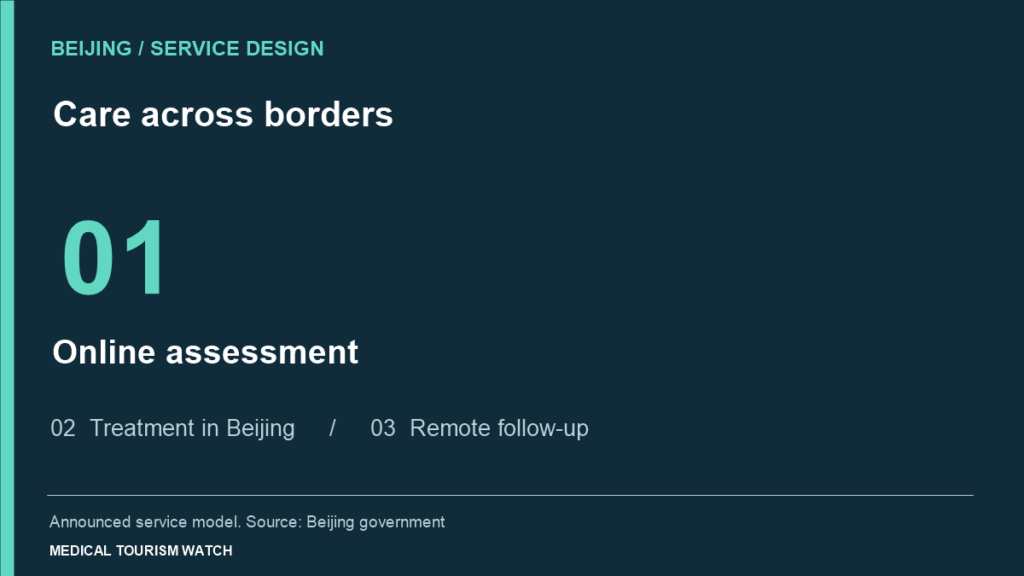
The service promise extends beyond Beijing
The announced packages combine treatments such as acupuncture, therapeutic massage and herbal medicine with cultural activities. The city also describes insurer billing and payments in multiple currencies.
These features could reduce the administrative burden of seeking care abroad. Still, a billing arrangement isn’t a promise that a particular insurer will cover a particular treatment. Patients need written confirmation for their own policy and proposed care.
For providers, the harder test is whether the overseas follow-up has a named clinician, a clear timetable and a way to pass records to the patient’s doctor at home. A remote appointment has limited value if responsibility remains unclear.
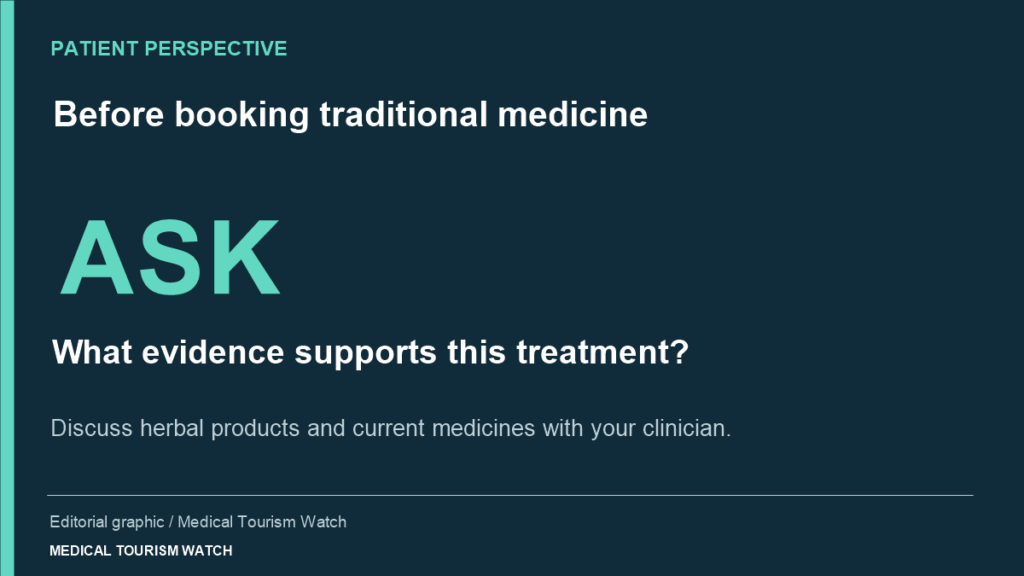
A package is not evidence of effectiveness
The US National Center for Complementary and Integrative Health says some approaches, including acupuncture, may help certain pain conditions. Evidence for Chinese herbal products is mixed, and some products have been contaminated or caused serious side effects.
Someone considering postoperative cancer recovery should therefore ask exactly what is being offered and discuss it with their treating team. Rehabilitation, symptom support and cancer treatment are different claims.
Beijing’s announcement provides a service framework. The next useful information for prospective patients would be package-level exclusions, treatment-specific evidence and clear terms for care after returning home.


