


Ghana’s 2027 budget puts specialist care alongside hotels and tourism investment. The fuller plan ties investor incentives to patient safety and benefits for local healthcare.
Ghana wants private investors to build a medical tourism hub that connects specialist treatment with the services patients need around it, from diagnostic tests to accommodation and recovery support.
Finance Minister Cassiel Ato Forson announced the proposal in Parliament on November 12. The 2027 budget speech promises serviced land, major infrastructure and targeted tax incentives, with private business leading development.
For prospective patients, this is an investment announcement, not a new destination ready to take bookings. The next decisions will determine which treatments are offered, who provides them and how the project serves people already living in Ghana.
What Ghana is offering investors
The proposed network would link specialist hospitals with diagnostics, rehabilitation, hotels, laboratories and pharmacies. That could make a complicated journey easier to arrange: treatment, test results and somewhere suitable to stay would be planned together.
The government’s New Economy programme for 2027–2030 says the final site, scale, clinical specialties and tax package will depend on further studies. It sets out a West African market for the hub, alongside care for Ghanaians.
That leaves commercial questions for investors. A hospital needs evidence of demand for particular procedures, reliable referral arrangements and a staffing plan. A general ambition to attract international patients can’t answer how many people will book a specific service at a specific price.
Tax incentives come with healthcare conditions
The fuller programme explicitly rejects a “parallel enclave that harms local care.” It says the hub must expand capacity, train Ghanaian professionals and avoid unmanaged diversion of scarce public-sector health workers.
It also makes incentives conditional on accreditation, patient-safety systems, transparent pricing and operating milestones. The proposed safeguards include independent regulation and audited performance.
These commitments give Ghanaian patients something concrete to judge. A new specialist centre could add training places, equipment and treatment capacity. If it mainly recruits staff from existing services, the benefits would be harder to demonstrate. Published staffing and training figures would help show which outcome is taking shape.
For overseas patients, clear prices should cover more than the scheduled procedure. The contract needs to explain how extra tests, a longer admission or a complication would be handled. The point at which a coordinator hands responsibility to a clinician should be equally clear.
The hotel programme is wider than medical tourism
The budget speech also proposes tax incentives for SSNIT to build five-star hotels in Accra and Kumasi by 2030. Three four-star projects would serve the Cape Coast–Elmina corridor, the Volta Region and Northern Ghana.
Those are part of a wider tourism programme. They shouldn’t be read as five confirmed hospital-linked recovery hotels.
Pulse Ghana reports a GH¢186 million allocation for the Ministry of Tourism, Culture and Creative Arts. That figure covers the ministry; it isn’t a published construction budget for the medical tourism hub.
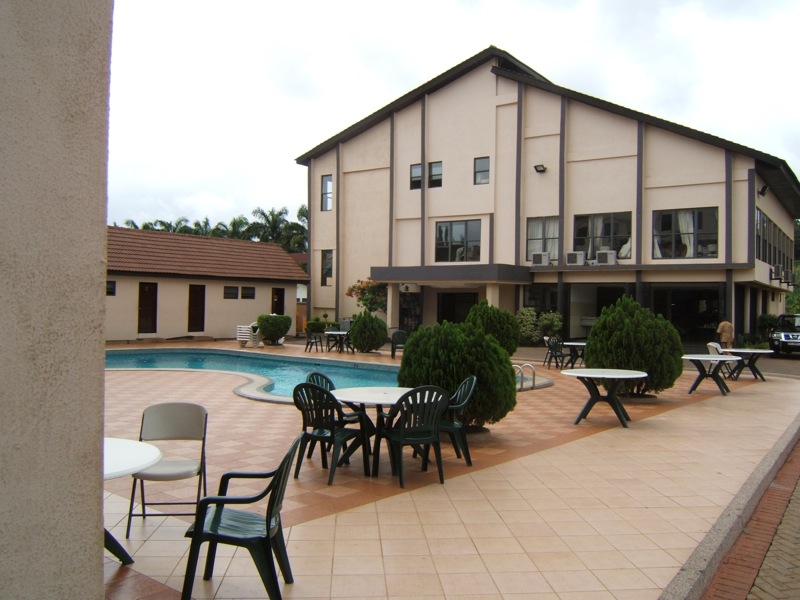
A hotel room can help a patient and a companion stay near treatment. It doesn’t provide nursing care simply because it sits close to a hospital. Operators will need to explain the difference between ordinary accommodation, supervised recovery and rehabilitation.
A separate US$1 billion plan for medicines
The healthcare proposals also include a pharmaceutical and biomanufacturing programme. 3News reports a US$1 billion commitment, with manufacturing hubs planned in the Eastern and Central Regions.
According to its budget account, Ghana imports about 70–75% of its medicine needs, costing roughly US$500 million a year. The goal is to produce 60–80% of essential medicine needs locally by 2030. That is a target, not today’s production level.
The proposed purchasing rules would favor Ghanaian-made medicines when supplies meet quality standards and are available in sufficient quantities. Manufacturers would still need regulatory registration and compliance with manufacturing standards.
This is separate from financing the medical tourism hub. More dependable medicine supplies could support both domestic and visiting patients, but factory construction alone won’t establish the quality or availability of a particular treatment.
What would turn the proposal into a patient service?
3News notes that the budget statement does not give the medical hub’s cost, site or completion date. The programme’s promise of further studies means those gaps still matter for anyone considering an investment or a future referral.
The next useful announcements would name the site, operators, funded facilities and opening schedule. Patients would then need treatment information they can act on: clinician credentials, itemized prices, arrangements for complications and a named contact for follow-up after returning home.
Ghana has also set itself a domestic test. When the first facilities open, the public should be able to see how many additional specialists were trained and what access Ghanaian patients gained in return for the land, infrastructure and tax support.


