


Vietnam’s former imperial capital wants to connect hospital care with accommodation, recovery and wellness. Its biggest planned market is closer to home.
Huế is developing a medical tourism plan around an existing strength: people already travel there for treatment. The aim is to coordinate the services surrounding that care, rather than leave patients and their families to arrange each part separately.
A November 13 report from Báo Thanh tra, republished by Vietnam.vn, describes a 2026–2030 development scheme with a vision to 2035. It identifies Huế Central Hospital and Huế University of Medicine and Pharmacy Hospital as major clinical assets.
The targets are mainly domestic
The reported goals for 2027 are about 600,000 domestic medical-tourism visits and 5,500–6,000 international visits annually. By 2030, the targets rise to roughly 800,000 and 8,000–10,000 respectively. These are development targets, not arrivals already achieved.
The gap between the two markets matters. A family coming from another Vietnamese province may need affordable accommodation near a hospital more urgently than a resort package. An international patient may also need an interpreter, translated records and help arranging care after returning home.
Báo Đầu tư’s account puts projected domestic revenue in 2027 at VND7.8–8 trillion. That estimate includes accompanying people and spending on treatment, accommodation, transport, food, shopping and other services. It shouldn’t be read as hospital revenue alone.
Counting will need similar care. A treatment visit, a person and a hotel booking aren’t interchangeable measures. Reporting each separately would make it easier to judge whether the programme brings additional visitors, improves services for existing patients or does both.
Heritage gives Huế an identity, not a clinical guarantee
The plan outlines conventional care, traditional medicine, experiences based on Nguyễn dynasty royal medicine, and mineral-spring wellness. It also calls for better service coordination, digital support and staff with foreign-language skills.
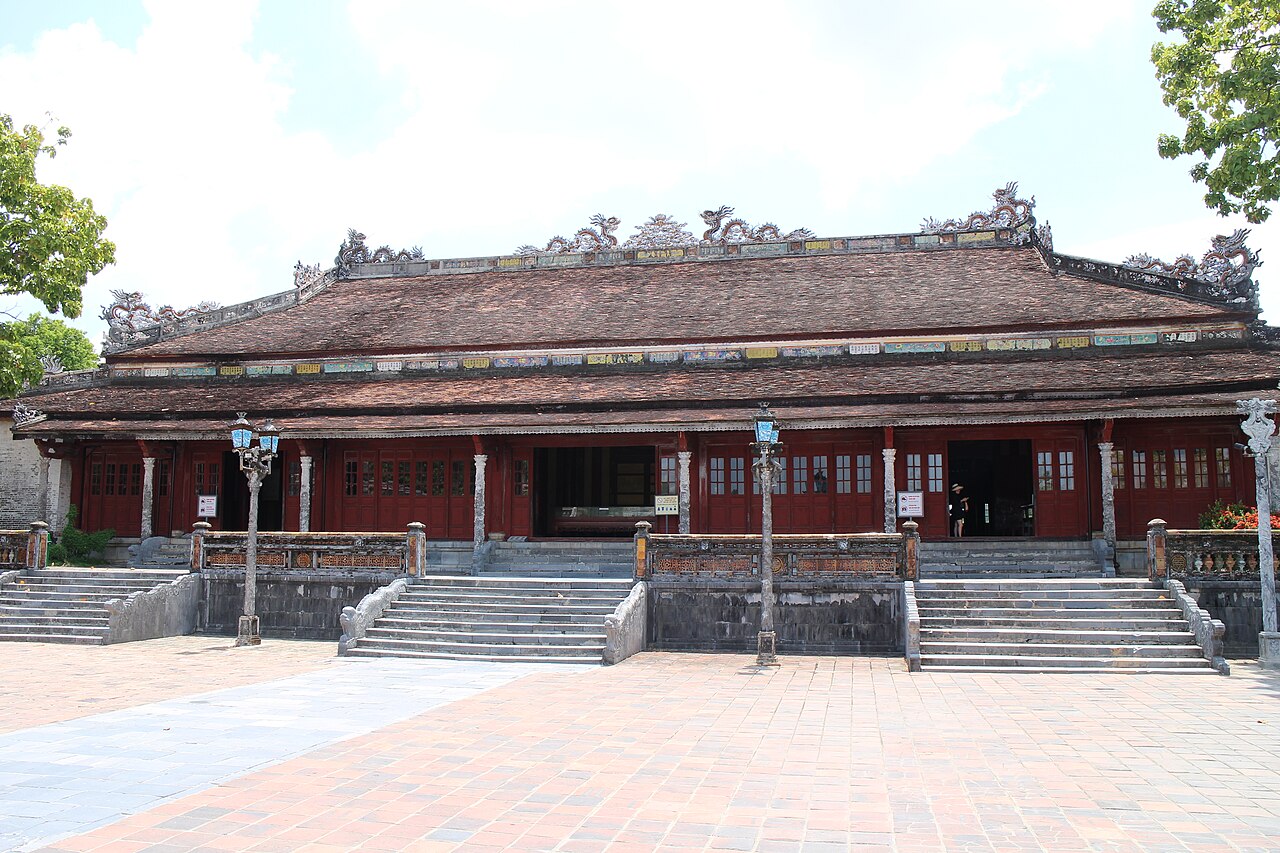
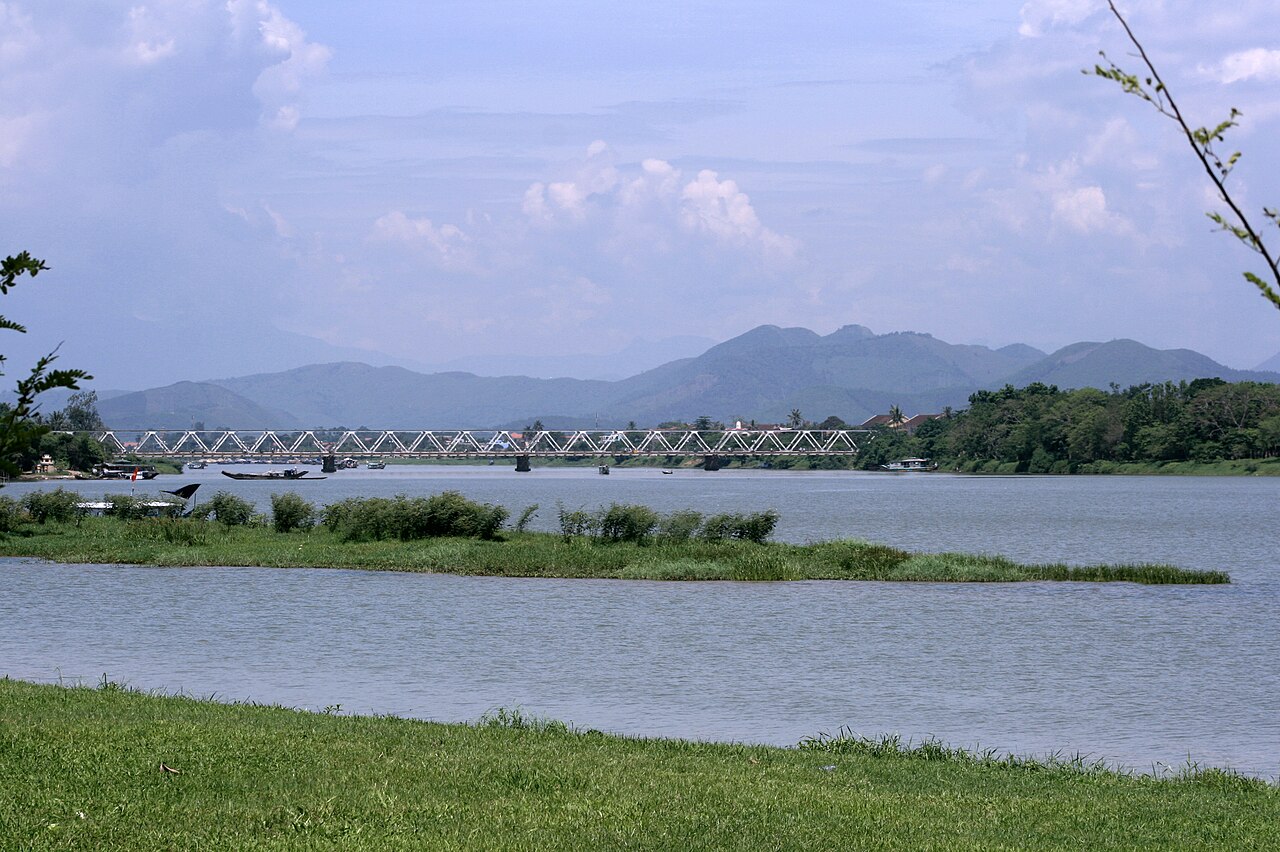
Huế has a substantial cultural setting for that offer. UNESCO’s account of its monument complex describes the city as Vietnam’s capital from 1802 to 1945, with imperial buildings and royal tombs arranged around the Perfume River.
That history can enrich a visitor’s stay. It doesn’t establish the effectiveness of a treatment. A cultural demonstration, a spa service and a medical procedure should each be described plainly, with the provider’s role and any clinical claims made clear.
Báo Đầu tư reports that wellness trips already operate at properties including Alba Wellness Valley by Fusion and Kobi Onsen Resort. These existing offers give the city experience in hospitality and wellness; they don’t show that every proposed hospital-linked package is ready to book.
A longer stay must suit the patient
For providers, the useful question is what happens between appointments. A coordinated service could give a family a reliable transfer, an accessible room and one contact who knows the schedule. It should also explain who is responsible when a medical decision changes that schedule.
Sightseeing needs to fit recovery. The CDC’s medical-tourism guidance warns that long tours, swimming and strenuous activity after an operation can interfere with healing. It also advises planning for complications with clinicians and obtaining records for follow-up care.
A tourism target for longer stays cannot decide when an individual patient should leave hospital, take an excursion or fly home. Those decisions belong in the clinical plan.
What a bookable package should make clear
Before paying, a patient should be able to identify the treating facility, the clinician responsible for care and the company arranging travel. Prices should separate medical services from accommodation and optional activities, and explain what happens if treatment or recovery takes longer than expected.
For Huế, a useful early measure would be whether a family can move from a hospital appointment to suitable accommodation without having to explain the whole case again. That is a service improvement patients can recognize, even before the city reaches its visitor targets.


