


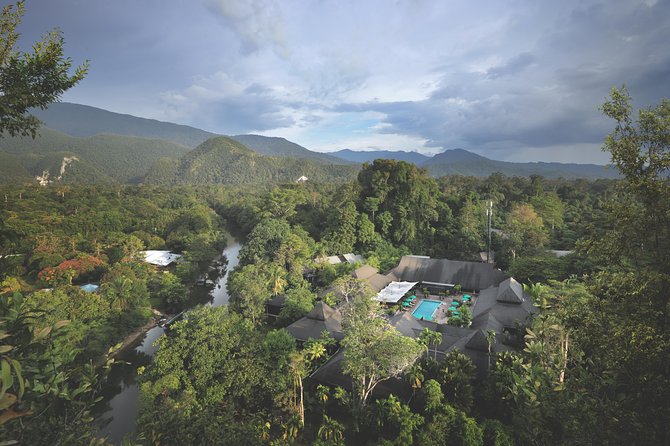
Sematan, Lundu and Telok Melano feature in a proposed link between hospital treatment, hotel accommodation and tourism.
Sarawak Premier Abang Johari Tun Openg has identified nature destinations as a potential complement to the Malaysian state’s medical tourism offer, according to an October 6 report by DayakDaily.
Speaking at a hotel opening in Kuching, he suggested patients could stay in city hotels following hospital treatment and subsequently visit Sematan, Lundu and Telok Melano. He also pointed to hospital expansion and new healthcare facilities as factors supporting Sarawak’s ability to attract patients from outside the state.
A potential role for hospitality providers
For hospitals, hotels and destination planners, the commercial implication is a possible extension of the patient journey beyond the hospital. Accommodation, accompanying-family services and transport could become areas for closer cooperation.
However, the business case would depend on more than destination appeal. Providers would need to establish which services patients require, how responsibilities are divided and whether accommodation outside Kuching fits the care arrangements for the patients concerned.
Operational details remain unclear
DayakDaily’s report did not specify a dedicated programme, participating hospital–hotel partnerships, a launch timetable or clinical arrangements for recovery stays. It also provided no patient-volume or revenue projections for the proposed approach. The remarks therefore signal a destination-development opportunity rather than establish that a coordinated service is available.
The distinction between accommodation and clinical aftercare would be central to assessing any future offer. Questions include who coordinates follow-up, what support is available at the accommodation and how a patient would return to the treating hospital if necessary.
What to watch
The next development to watch is whether the idea produces formal partnerships with defined services and responsibilities. For industry stakeholders, evidence of implementation would include named providers, transparent pricing, transport arrangements and clear information on the limits of hotel-based support.


